Pastel painting courses
BASIC PASTEL COURSE
Duration: 1 Term (12 lessons)
Level: Beginner
Schedule:
– Monday 6:00 PM – 8:00 PM
– Tuesday or Wednesday 6:40 PM – 8:10 PM
– Friday 10:00 AM – 12:00 PM
Do you love the soft, nuanced look of pastel? This is the course for you. The immediacy and speed of pastel execution make it the ideal tool for those who are not yet familiar with color. We’ll cover everything from flowers to landscapes, including small life studies.

THE FLOWERS
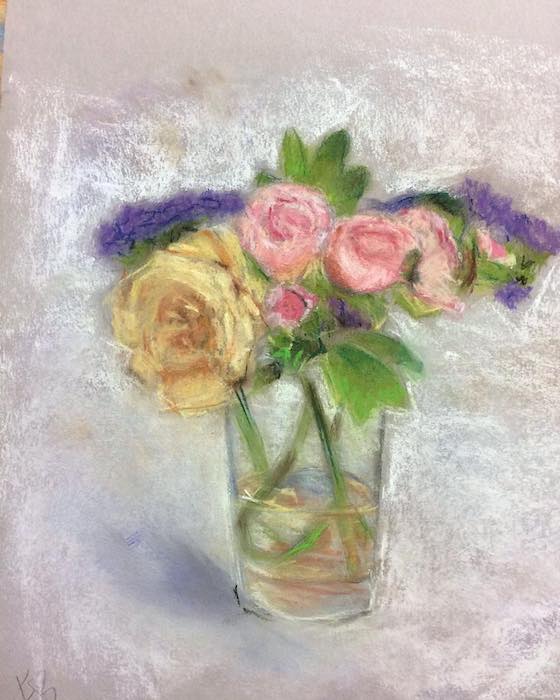
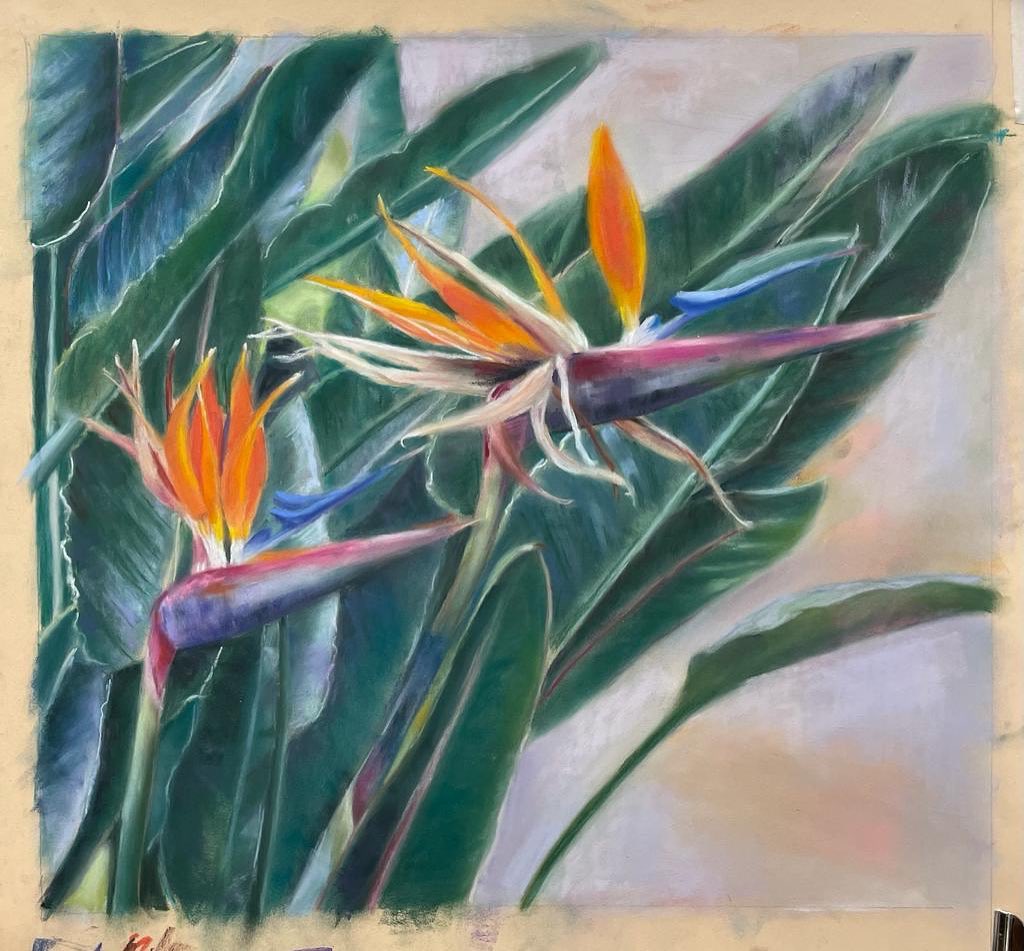
Contrasting, nuanced, dry or creamy, pastel can be used in various ways and is particularly suitable for the study of flowers, especially for obtaining the velvety and soft effects of the petals.
THE LANDSCAPE
Let’s learn to capture the vibrant character of foliage and grasses. Let’s delve deeper into the various greens that compose a landscape. Let’s see which backgrounds to use depending on the palette we want to capture.


GRISAILLE AND DRAPERY
Copy, portrait, with three pencils, grisaille
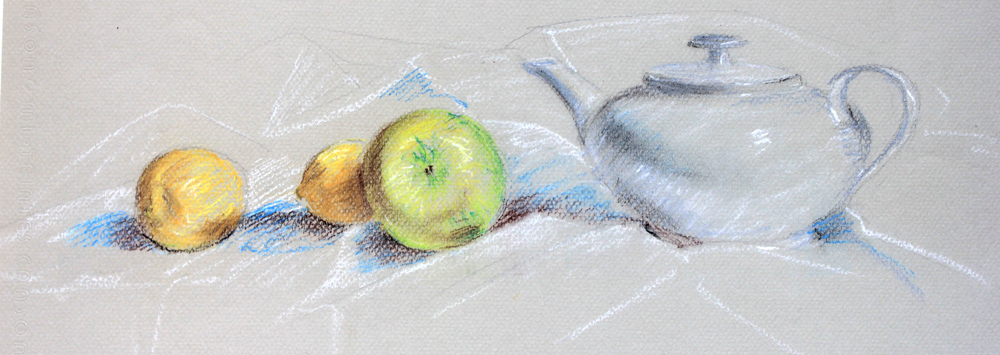
As an alternative to color, pastel is also suitable for monochrome studies such as grisailles (from “gray”), which were particularly popular in French art between the 18th and 20th centuries. Artists such as Ingres, Houdon, and Degas used it as preparatory studies for oil paintings, thus pioneering the famous blue-tinted paper. This technique is well-suited to rendering the folds of fabric in the study of drapery.
ADVANCED PASTEL COURSE
Duration: 1 trimester (12 lessons)
Level: Intermediate and advanced
Schedule:
– Monday 6:00-8:00 PM
– Tuesday or Wednesday 6:40-8:10 PM
– Friday 10:00-12:00 PM
Are you already familiar with using chalk but want to delve deeper into other pastel techniques? In this course, we’ll explore which paper types and specific backgrounds to use for each subject. We’ll specifically study how to render flesh tones in nudes and portraits, and we’ll use mixed techniques.

STILL LIFES
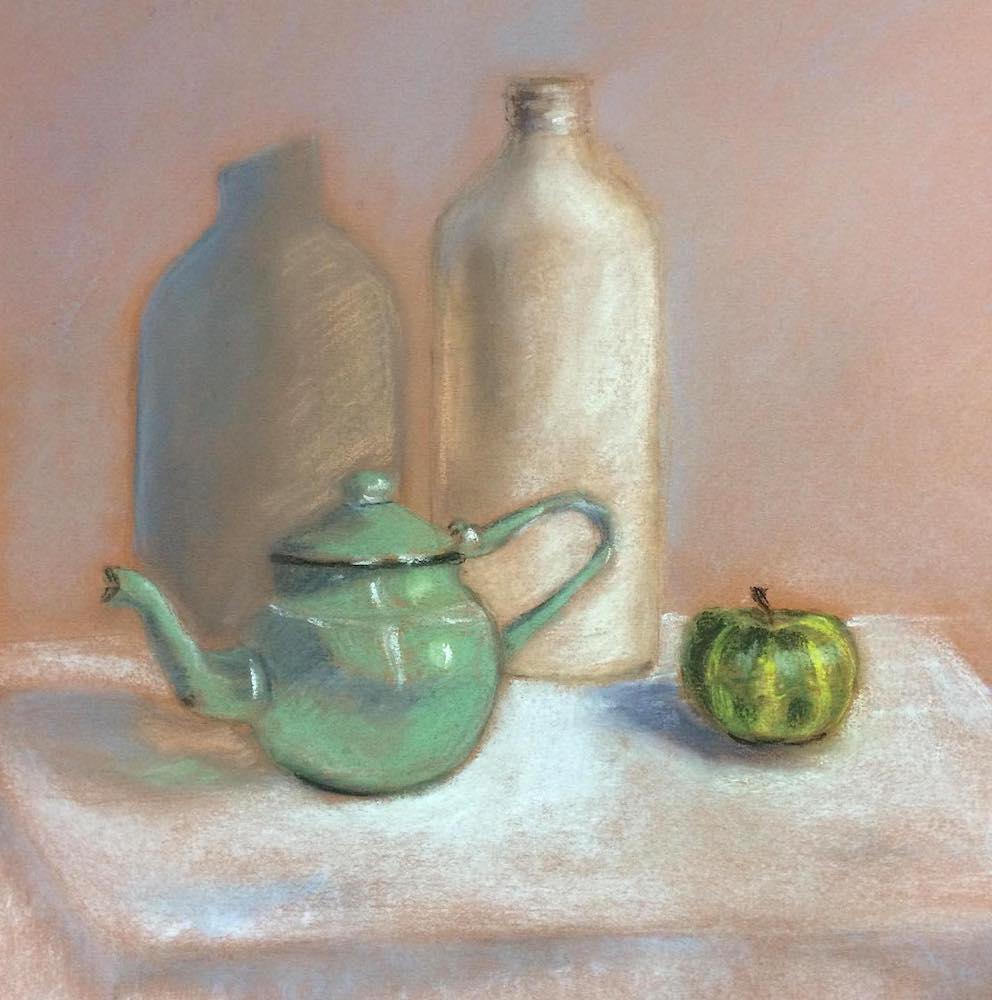
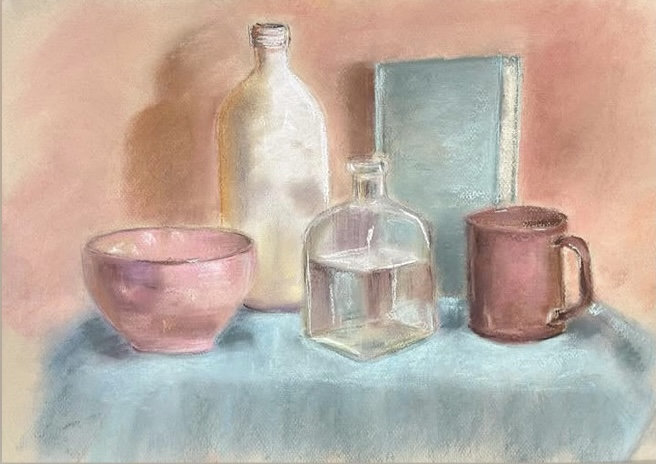
Pastel can be worked on the edge, or on the tip, shaded or overlapped, thus obtaining various layers of color and rendering the surfaces of objects from life, whether they are made of tin, metal, or glass.
THE PORTRAIT AND THE NUDE
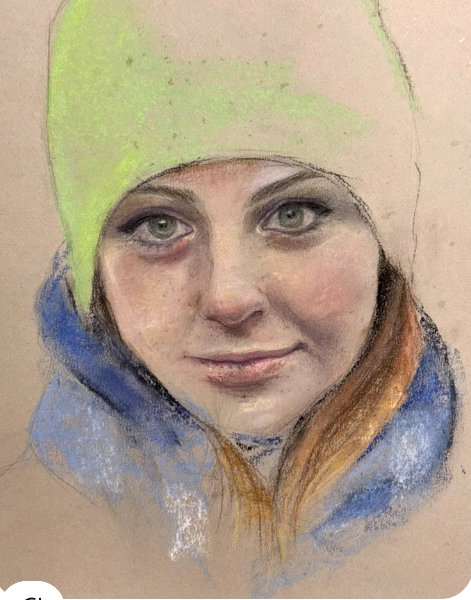
Among the various pastel techniques, rendering skin tones in both portraits and nudes is undoubtedly one of the most complex. In this course, we’ll explore which color palette to use and which specific backgrounds to use to best render the different shades.

Image Gallery of pastels created by students