
Art Techniques
The art workshops I teach in my studio have multiple purposes: to gradually develop students’ artistic abilities, to open their minds to new ways of seeing reality, to experiment with new materials and methods, and to stimulate their innate creativity. This process leads to a gradual mastery of the artistic medium and to develop not only their manual skills but also their artistic culture.
Artist’s books
This year, in collaboration with the American artist Lyall Harris, the children have made a beautiful workshop on the theme of artist’s book, a genre born in the 20th century and very popular in contemporary art that has permitted the children to reflect on the structure of the book as a starting point for creation .


Quick Sketches
In this workshop, I teach how to draw a subject synthetically from life. This is a first step toward recognizing essential forms and expressing them on paper without second thoughts. The limited time available forces the student to look at the form differently than usual and to grasp the essence. The result is prioritized over perfection, but the results are often of excellent expressive quality.


Drawing small objects from life
Life drawing is a big step for any artist. Being able to represent three-dimensional reality, with the challenges of perspective, is important for every young artist. In our course, our young students will quickly be able to represent objects realistically.


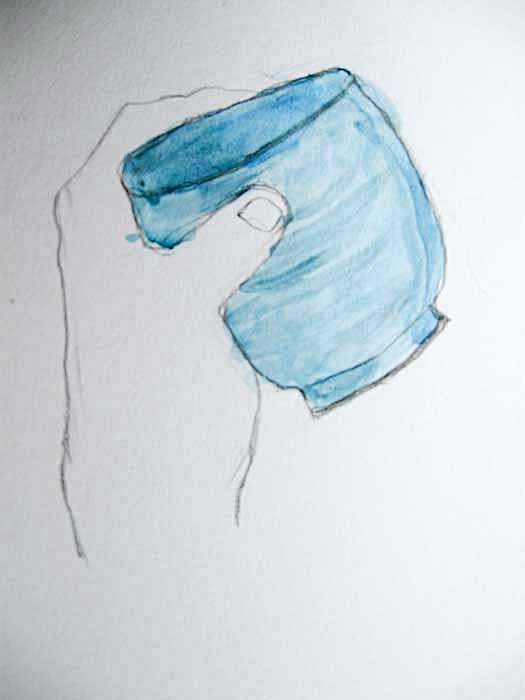
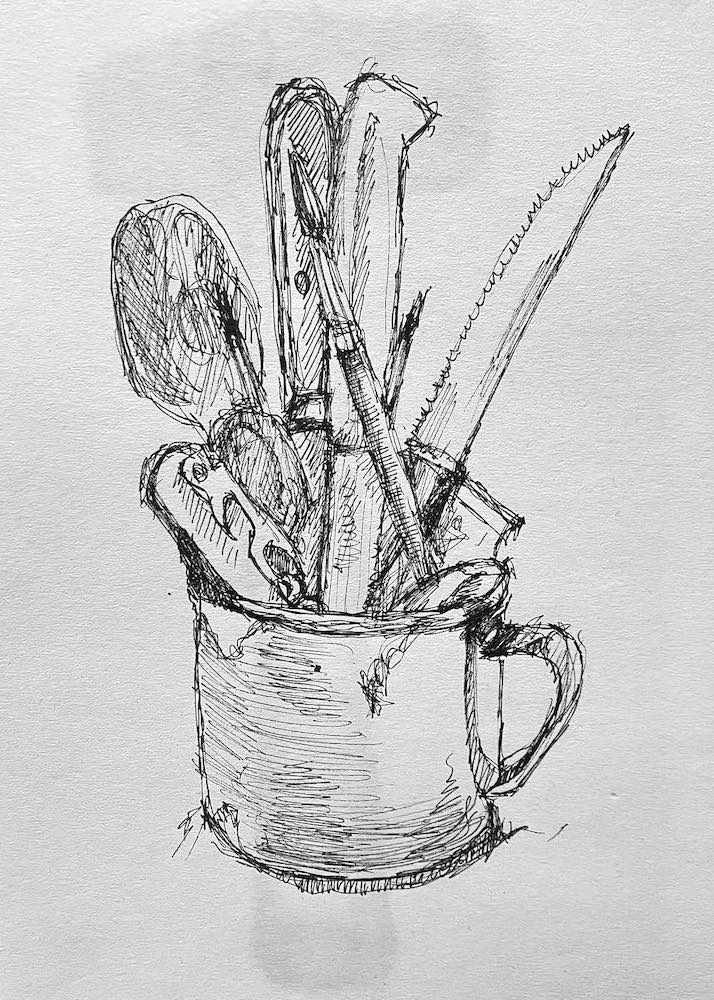
“Sketching” workshop, quick sketch drawing
Being able to quickly grasp the shapes of an object is essential for any preparation for life drawing and plein air painting. Our young students learn to draw objects from life by quickly sketching them in pen, eliminating the need for corrections or second thoughts. This is a useful tool both for their artistic development and for numerous professional activities. Some examples of drawings completed in 10 minutes.


Monotype Workshop
With monotype, students learn a simple one-off printing method (hence the name “mono”), a creative way of creating images using even unusual objects as matrices. Experimentation is a lot of fun and develops a different way of thinking, as the student must imagine the final result of the print, which will only be revealed at the end of the production process. And the surprise is very satisfying.


